Digestion and your brain
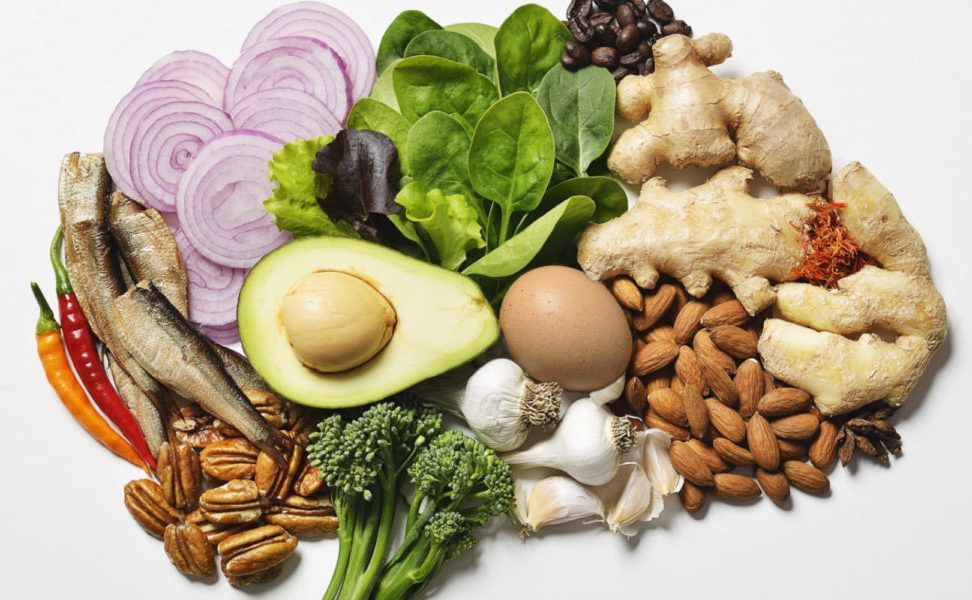
When you think about digestion, where is the first place you believe it occurs? I’m sure a majority of guesses would assume that the process of digestion begins in the stomach or the mouth. All good guesses, but digestion actually begins in our brains , before we even begin to enjoy the first bites of our meal.
Let’s think for a moment on why that is…
First, let’s analyse how our brains play a role in our workouts. Have any of you ever felt the feeling of “butterflies” in your stomach before coming to class? Maybe you read up on the workout of the day beforehand and you know you’re in for a doozy! Or maybe, you’ve had a long, exhausting day at work and you try to get yourself psyched up to come to class by playing Beyonce radio on spotify. Think of the transformation that occurs with your body’s energy. You went from 0 to ~100 in a matter of minutes and now you’re ready to pump some iron!
During that time, your autonomic nervous system (ANS) has signaled to your brain two sensory phases known as the parasympathetic nervous system (PNS aka our “rest and digest” system) and sympathetic nervous system (SNS aka our “fight or flight” system). Our ANS and its two branches play a vital role in regulating internal, involuntary organ functionality for things like breathing, our heart rate and even digestion. In other words, it signals to our bodies when it’s time to rest or when it’s time to go to work!
Now let’s compare this with how we eat and how digestion begins in our brains.
Hunger begins to activate areas in our brains which trigger the age old reaction to seek food, regardless of the cost (could be safety, comfort or even curiosity). When we see or think of food, the brain signals to our bodies to get ready for consumption by salivating in the mouth, to the stomach beginning to release digestive enzymes. Both PNS and SNS systems can be triggered depending on what we think and feel (internal factors), or what we see or smell (external factors) and both have an effect on hunger and digestion.
Now think about how many times during the day that can occur subconsciously, especially today when we’re bombarded with food advertisements constantly!
Take away challenge:
Take a moment to reflect on how much influence our brains have with the digestive process and also with hunger stimulation. Think of how often that can be exploited by what we see, smell, think or do.
To combat the problem is to recognize the issue. Try writing down a list of five ways you believe hunger is stimulated most in your life. Is it at the office during random birthday parties/events? Is it from food advertisements on TV? Is it from friends, family, or people you socialize with? From there, identify if any of these scenarios are within your control and what you can do to oppress false signals of hunger. Obviously if your co-worker wants cake for their birthday, he/she is going to have some damn cake!
Be realistic with your responses. You shouldn’t suppress your desires but you can learn to control them. In the case of birthday cake, perhaps drinking 2 cups of water before your slice will help you feel fuller, thus allowing you to eat less?
What other ways can you come up with?
The post Digestion and your brain appeared first on R3VIVE FITNESS.